
Comparison
The Duolingo Plateau: Why You Stall (and How to Fix It)
What is the Duolingo plateau?
The Duolingo plateau describes the point where, after months of steady practice, a learner still can't understand a simple article or basic conversation. It's a widely discussed phenomenon on communities like r/languagelearning, where the topic comes up almost weekly.
Duolingo reported more than 100 million monthly active users in 2024 in its public investor filings (Duolingo investor relations, 2024). A user base that large necessarily includes a substantial share of people who finish their skill tree without knowing what to do next.
This isn't a personal failure. It's a structural limit of the method, one that affects a meaningful portion of regular learners, and it's exactly the gap tools like Lira are built to close.
Why does Duolingo work so well at the start?
Duolingo succeeds remarkably well at one specific thing: building a lasting daily habit through gamification (streaks, points, levels). This mechanic addresses a real problem in language learning, early dropout, which often happens within the first week.
The app also structures fundamentals very well: basic conjugation, common vocabulary, simple grammar patterns. For a complete beginner, this step-by-step progression avoids discouragement when facing a language that otherwise feels too complex.
Many learners we've talked with describe Duolingo as the easiest entry point they found to start a language from zero. That's worth stating plainly, without excessive qualification: for beginners, the tool does its job well.
Why do so many users stall after finishing the tree?
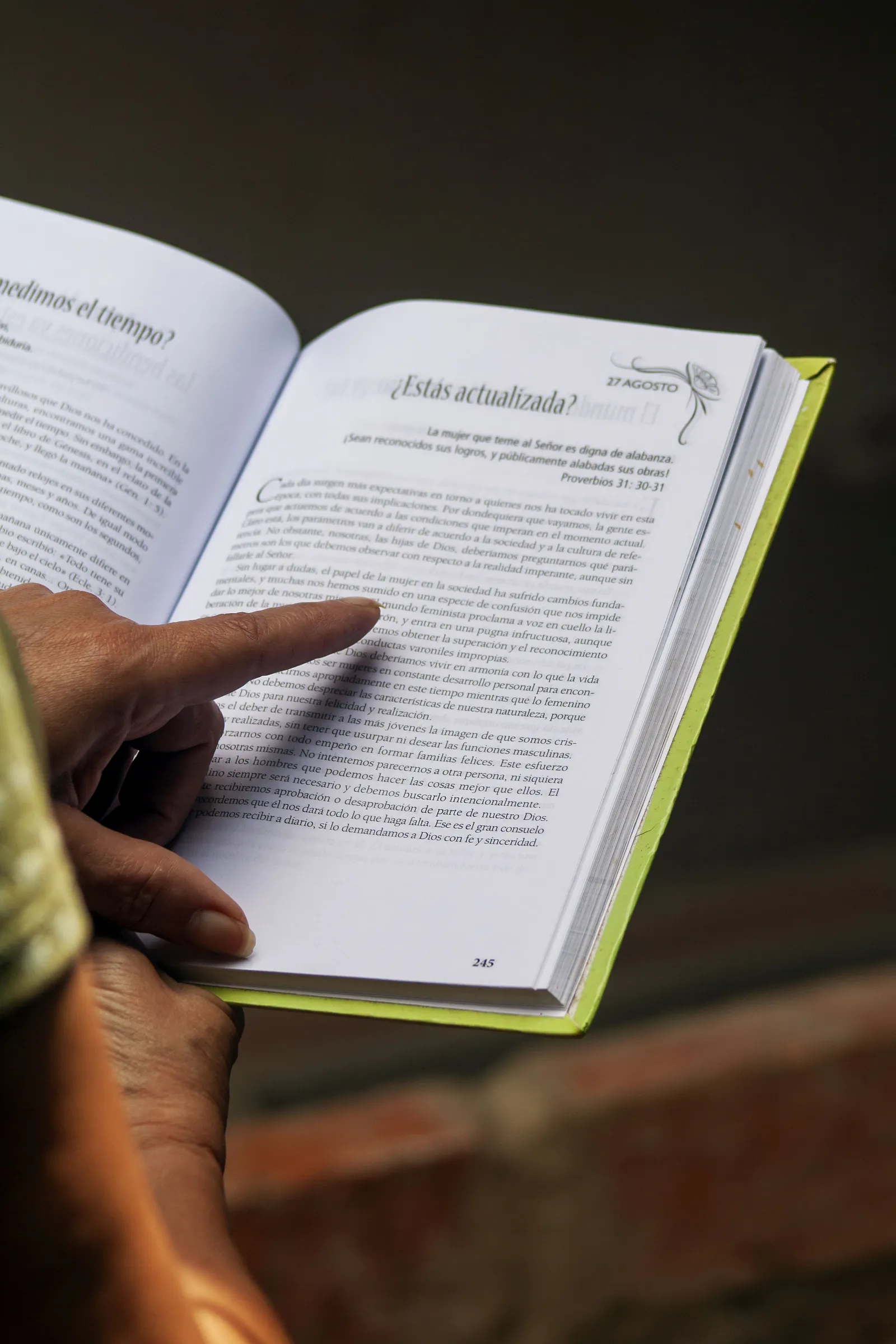
The main reason lies in the exercise format itself: it presents vocabulary out of context, in short and often artificial sentences, never inside a long, authentic text. This limitation has been noted in independent analyses of the app, including by linguists quoted in education-focused press coverage.
The practical result: you recognize a word in a multiple-choice exercise, but can't find it again in a real paragraph, surrounded by other unknown words and less predictable phrasing. The skill of "recognizing" doesn't automatically transfer to the skill of "understanding a real text".
Common oversimplification to avoid: saying Duolingo "stops being useful" past a certain level. That's not accurate. The app remains useful for maintaining basics, but it's not enough on its own to move a learner toward understanding authentic content such as novels, news articles, or unsimplified podcasts.
A second factor worsens the plateau: the near-total absence of long-form text in Duolingo's format. Reading comprehension is built through repeated exposure to long, varied sentences, not through five-word isolated exercises.
How does reading authentic content fill that gap?
Reading real content, an article, a short story, a novel adapted to your level, exposes you to vocabulary in context, which favors better long-term retention according to several studies in second language acquisition summarized on Wikipedia, Input hypothesis, 2024.
Concretely, reading provides three things gamified exercises don't: real sentence length, uncontrolled vocabulary variety, and the natural rhythm of written or spoken language.
The real issue isn't a vocabulary gap after Duolingo, it's a lack of training in tolerating ambiguity within a text that contains unknown words. Assisted reading, where you can tap a word without breaking your reading flow, builds exactly that tolerance over time.
This is where a reading tool with contextual translation and spaced repetition (using FSRS, Free Spaced Repetition Scheduler) becomes useful right after the Duolingo tree. If you're after a free, open-source option for this, Lute follows the same logic, provided you're fine installing and hosting it yourself.
To get started, our guide on how to import a book or article into Lira covers the concrete steps.
How do you make the transition in practice?
The transition works better in three progressive steps: keep Duolingo for daily maintenance, pick a text that's deliberately easy (a short story, a simplified article, an adapted classic), then increase difficulty gradually over the following weeks.
Choosing your first text matters a lot. A text that's too hard discourages you within a few pages; one that's too easy teaches nothing new. Aiming for a text where about 90% of the vocabulary is already familiar is a solid rule of thumb shared by many language teachers.
The public-domain classics library via Project Gutenberg is a good free starting point: more than 70,000 titles available, many in several European languages (Project Gutenberg, 2024).
You don't need to drop Duolingo either. Many learners combine both: a few minutes of exercises in the morning, a reading session in the evening. The two methods complement each other rather than compete.
How Lira helps you move past the plateau
Lira is built specifically for the gap Duolingo leaves open: it lets you import an actual article, novel, or PDF and read it with tap-to-translate on any word, so you get real sentence length and natural rhythm instead of five-word drills. Words you look up get queued into spaced repetition using FSRS, which schedules review based on your actual recall rather than a fixed calendar. You can also start free from Lira's built-in library of public-domain classics if you don't have a text ready. The Free plan is enough to test this transition, see our full Duolingo vs Lira comparison or the pricing details if you want to upgrade later.
Frequently asked questions
How long does it take to hit the Duolingo plateau? It varies by language and consistency, but many accounts on r/languagelearning place it between 6 and 12 months of regular use, often right after finishing the main tree.
Should you stop using Duolingo once you hit the plateau? Not necessarily. Duolingo remains useful for maintaining basic vocabulary and grammar. The plateau signals a need to add reading or listening practice with real content, not to quit the app entirely.
What level do you need to start reading authentic content? An A2/B1 level is a good starting point for assisted reading with contextual translation. Below that, it's better to consolidate basic vocabulary first.
Can reading fully replace Duolingo? It can complement it rather than replace it, especially early on. Gamification helps maintain the habit, reading provides exposure to real language use.
See also our Lira FAQ for details on supported languages and levels.
Claire
Editor at Lira, self-taught in 3 languages, she tests every method or tool before writing about it.
Start reading in your target language
Import a book, an article, or pick a free classic, and Lira translates unknown words as you go.
Start for freeRelated articles
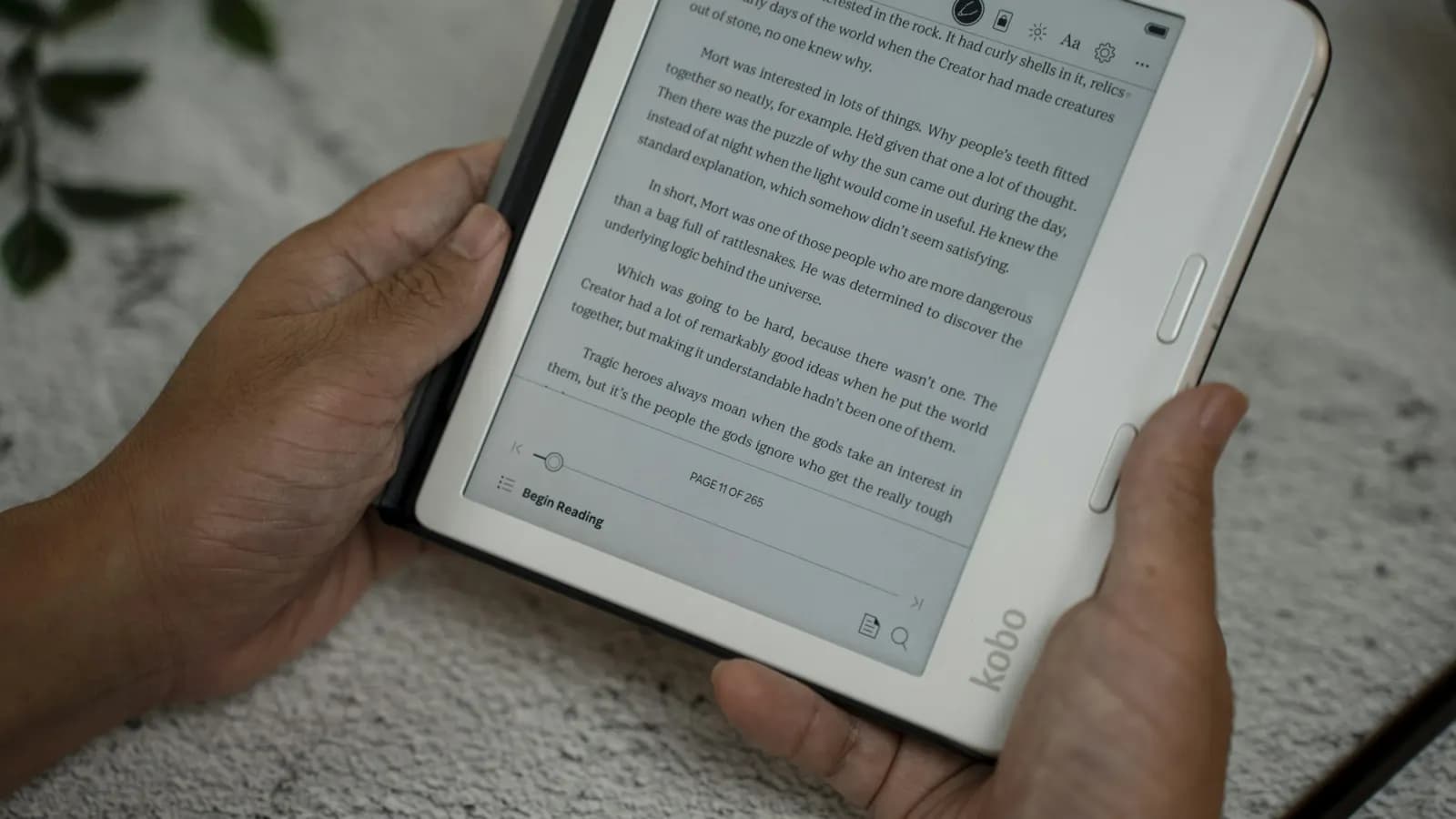
Readlang alternative: read without free plan limits
Readlang caps phrase translations and context explanations on its free plan. Here's what Lira does differently, no filler.

How FSRS spaced repetition works in Lira
FSRS calculates the optimal review interval for every word you learn. Here's exactly how that works in Lira, word by word.
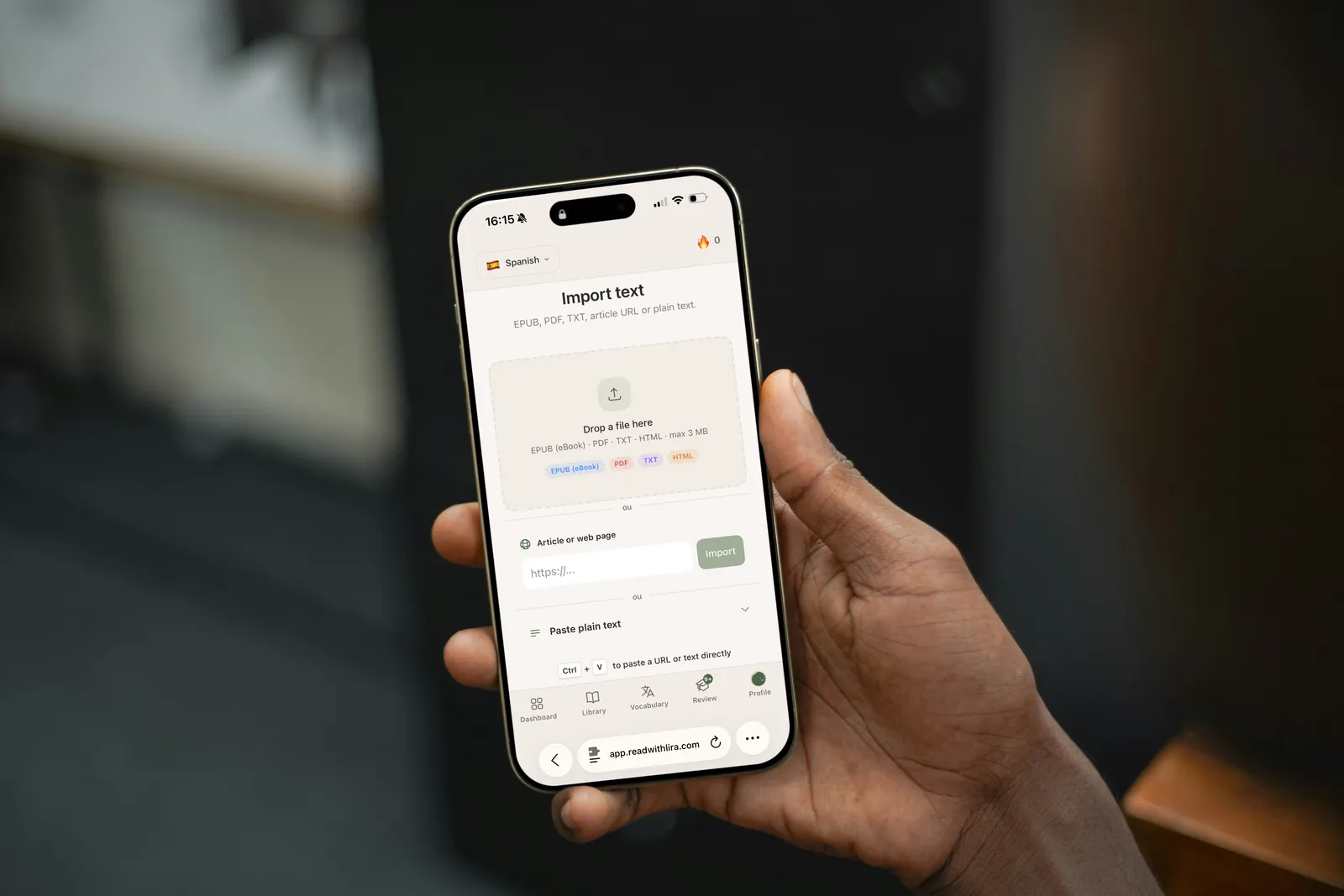
How to Import a Book or Article Into Lira
A step-by-step guide to importing an EPUB, PDF, URL, or plain text into Lira, and how to start reading the right way.